What is a Hang Tag Printer?
A hang tag printer, also known as a hang tag printing machine, is a specialised device designed to print tags or labels that are typically attached to clothing, accessories, or other retail products.
These tags, commonly referred to as hang tags, serve multiple purposes, such as branding, providing product information, and offering care instructions for the convenience of consumers. They are particularly common on apparel and clothing. Hang tags are usually attached to products with a string or plastic fastener, ensuring they are easily visible to consumers.
Why Apparel Brands Need Hang Tag Printers
Apparel brands need hang tag printers because hang tags are more than just labels—they combine branding, compliance, and pricing. Additionally, with washing and care instructions printed on them, customers can make an informed purchasing decision.
Printing in-house offers businesses flexibility, speed, and cost savings. This is why the practice of manually crafting clothing hang tags is gradually being phased out.
Benefits of Using Hang Tag Printers for Apparel
Using a dedicated hang tag printer for apparel brings several key advantages, from enhancing brand perception to improving back-end operations. Here are the primary benefits:
Enhanced Brand Image and Customer Experience
- A high-quality hang tag acts as a silent salesperson. It’s often the first physical touchpoint a customer has with a garment, and its quality directly influences their perception of the brand. As a brand in the apparel industry, it’s crucial to offer that premium feel through your hang tags.
- Professional Presentation: An in-house hang tag printer machine allows for the creation of tags with sharp logos, clear fonts, and premium finishes, which elevates the perceived value of your clothing and brand.
- Customisation and Storytelling: With customisable software, hang tag printers enable easy personalisation for specific collections, seasons, or even individual customers (e.g., for made-to-order items). This adds personal stories, taglines, and patterns, creating an emotional connection with buyers.
- Cohesive Unboxing Experience: Managing the entire production process ensures your hang tags align perfectly with your other packaging materials, enhancing the unboxing experience that customers love to share.
Improved Operational Efficiency and Cost Control
- Bringing tag printing in-house can streamline your workflow and save both money and labour, particularly for small to medium-sized businesses.
- On-Demand Printing: You can print the exact number of tags needed, when needed. This eliminates the need to order large quantities from external printers, reduces inventory waste, and frees up valuable storage space.
- Time and Labour Savings: Automated or semi-automated hang tag printers drastically cut down on the time spent manually labelling, allowing staff to focus on other tasks and improving overall production.
- Reduced Human Error: By integrating the hang tag printing machine with your inventory system, you can ensure each apparel tag has the correct price, SKU, or barcode, minimising costly labelling mistakes.
Optimised Inventory and Supply Chain Management
- Modern hang tag printers play a crucial role in a smarter, data-driven supply chain.
- Dynamic Pricing Flexibility: With an in-house printer, you can update prices or print new tags with promotional QR codes in real-time, reacting quickly to market changes without wasting pre-printed stock.
- Accurate Barcode Printing: Hang tag printers with high-resolution capabilities ensure barcodes are crisp and scannable. This accuracy is vital for smooth checkout, inventory tracking, and visibility across the supply chain.
- Advanced RFID Integration: Some printers support RFID hang tags, which enhance inventory management, smart replenishment, stock audits, and even theft prevention.
Support for Sustainability Goals
- As consumers increasingly prioritise eco-conscious practices, having an in-house printer can contribute to your sustainability efforts.
- Waste Reduction: Print-on-demand functionality means you only produce what you need, minimising wasted tags from outdated information or over-ordered stock.
- Eco-Friendly Materials: Many modern printers support recycled paper, kraft paper, and other sustainable materials, allowing you to align your tags with your brand’s environmental values.
How Do Hang Tag Printers Work?
Hang tag printers utilise various printing technologies to transfer text, barcodes, and graphics onto tag materials like cardstock or synthetic labels. The process typically involves automated systems for feeding, printing, and even attaching the tags to products.
General Printing Workflow of Hang Tag Printers
- Design and Input: A digital design is created on a computer and sent to the printer.
- Media Feeding: The printer feeds the blank tag material into the printing mechanism.
- Image Transfer: The printer applies the design onto the tag.
- Finishing and Cutting: The printer cuts the tags, especially for care labels or swing tags.
- Application: In advanced systems, tags are attached automatically to products.
How Different Printing Technologies Work
Here are some common printing technologies used in hang tag printers:
- Thermal Transfer: This method uses heat to transfer ink from a ribbon onto the tag, creating durable, smudge-resistant images.
- Direct Thermal: Heat-sensitive paper darkens when heat is applied, allowing for simpler prints without ink or ribbons.
- Inkjet: Inkjet printers spray liquid ink onto tags, ideal for full-colour, high-resolution designs.
- Laser: A laser fuses toner powder onto the tag for high-speed, sharp, smudge-resistant text.
- Digital: Digital printers work directly from a digital file, allowing for quick, customised print runs.
- Hot Foil: This speciality technique transfers metallic foil to the tag, creating a shiny, premium finish.
Integrated Print-and-Apply Systems
For high-volume production, automated hang tag printers are a smarter choice. These systems feed tags from a continuous roll, print them on-demand, and then attach them to products.
How to Choose the Right Hang Tag Printer for Your Business
The right choice depends on your specific needs:
- Small Boutique or Startup: A cost-effective option could involve pre-printed tags with a manual tagging gun.
- Custom On-Demand Tags: A desktop hang tag printer machine with thermal printing and automatic attachment is ideal for small brands needing flexibility and branding.
- Medium-Sized Brand: A semi-automatic printer balances speed and cost, with thermal or inkjet options based on tag durability and visual needs.
- Large Manufacturer: Industrial hang tag printing machines are essential for high-volume, cost-effective production. Flexographic or offset printing can be ideal for large runs, while digital UV printers are suited for tags requiring variable data or RFID.
Conclusion: Is a Hang Tag Printer Worth It for Your Apparel Brand?
If you’re in the apparel business, a hang tag printer isn’t just a tool; it’s an investment that offers:
- Full Control Over Branding
- Cost Savings Over Time
- Increased Speed and Flexibility
- Improved Accuracy and Compliance
- Support for Growth
A hang tag printer is essential for brands focusing on brand presentation, operational efficiency, cost control, and speed to market. If you want to stand out in a competitive apparel market, seamless tag design and execution can be the difference-maker.
Explore our CH650 Custom Hang Tag Printer to see if it fits your needs.
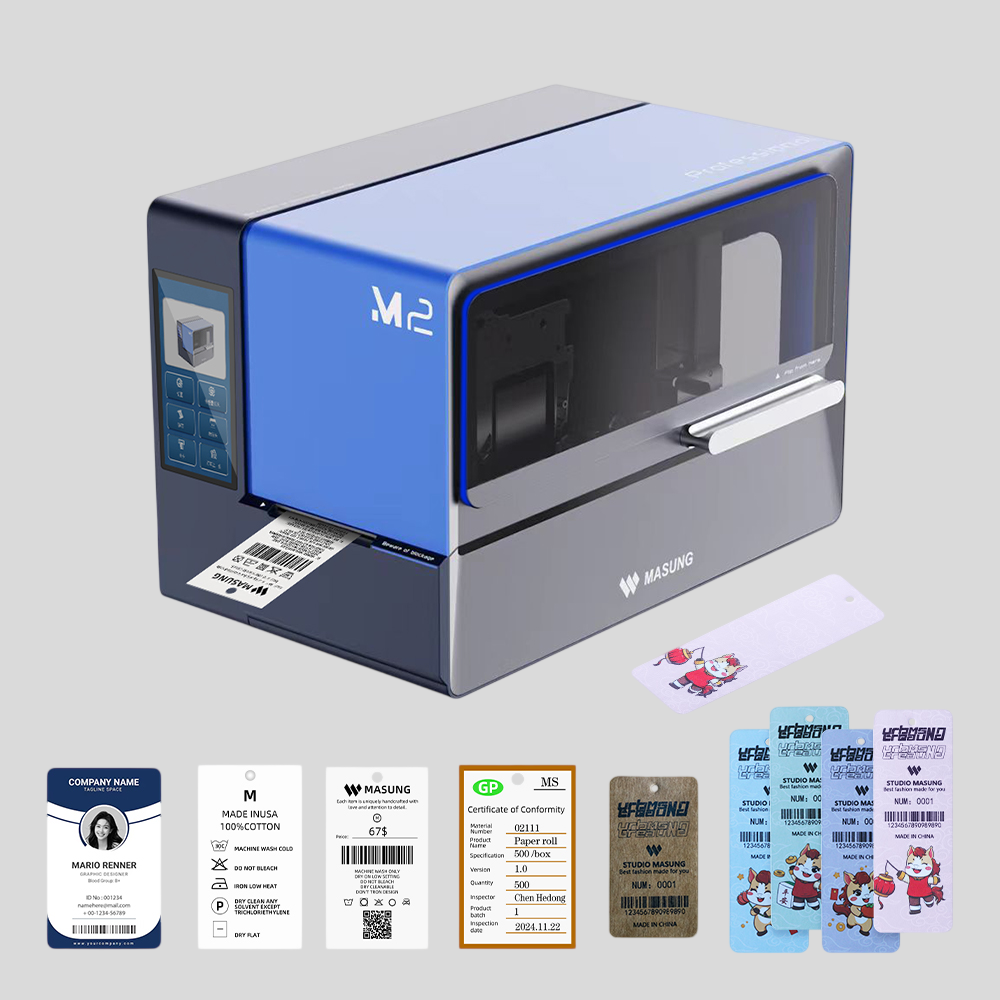
Custom Hang Tag Printer for Clothing Features:
- 300 DPI high-resolution printing
- Adjustable print width (35 to 55 mm)
- Efficient automatic feeding
- Simple connectivity & operation
- Robust construction for durability