Understanding Clothing Label Printing: Technologies, Printer Types, and Common Challenges
A care label printer produces text, care symbols, sizes, brand information, and barcodes on materials used for garment labeling. Before choosing one, small apparel businesses should understand the main printing technologies and equipment types.
Common Clothing Label Printing Technologies
- Thermal Transfer Printing: Uses heat to transfer ink from a ribbon onto label materials such as polyester and satin. It is suitable for care labels and brand labels requiring durable, long-lasting printing.
- Direct Thermal Printing: Uses heat-sensitive materials without an ink ribbon. It is commonly used for temporary labels, shipping labels, and short-term product identification.
Common Types of Clothing Label Printers
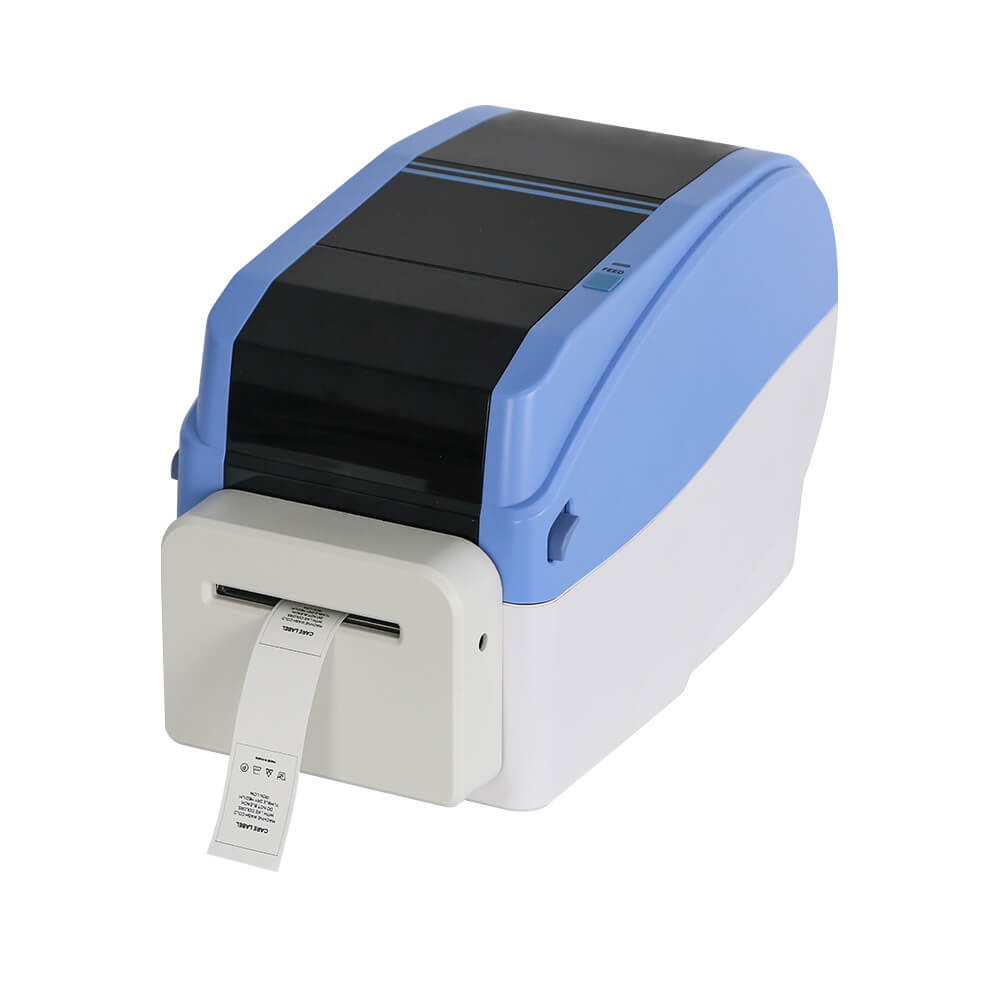
- Desktop Printers: Compact and easy to operate, making them suitable for small apparel businesses, boutiques, and home-based workshops with limited workspace and low-to-medium printing volumes. A desktop apparel label printer can be a practical option when production needs do not justify larger equipment.
- Industrial Printers: Designed for continuous operation and larger printing volumes. They are better suited to garment factories and businesses with dedicated production areas.
Common Clothing Label Printing Challenges
Small apparel businesses may encounter fading text, poor barcode readability, or inconsistent printing results. These issues are often caused by incompatible ribbons and label materials, incorrect temperature settings, or unsuitable printing technology. Choosing the right equipment and consumables helps minimize these problems.
For small apparel businesses, the main considerations are not simply printing speed or equipment capacity, but whether the equipment supports the required label materials, provides consistent output, and fits the available workspace.
How to Choose a Clothing Label Printer: A Step-by-Step Guide for Small Apparel Businesses
Choosing a suitable garment label printer requires balancing printing requirements, available workspace, and operating costs. Small apparel businesses can follow these steps to find a practical solution:
Identify label types and materials. → Select printing technology → Determine print resolution → Measure available workspace → Compare operating costs → Check usability and compatibility.
Key Parameters and Practical Buying Tips
When comparing printers, consider the following recommended specifications. Actual requirements may vary depending on label design and production volume.
- Print Resolution: 203 DPI is generally sufficient for standard text and barcodes, while 300 DPI is worth considering for small care instructions, detailed washing symbols, and compact labels.
- Printing Technology: Thermal transfer printing is generally recommended for durable garment labels. Choose a compatible ribbon, such as resin or wax-resin, according to the label material and durability requirements.
- Print Width: For some narrow garment labels, a printer with an effective print width of approximately 54–56 mm may be sufficient, depending on the label dimensions and layout.
- Printing Speed: For small-batch production, a moderate printing speed is often sufficient. Prioritize consistent output and accurate feeding over maximum speed.
- Material Compatibility: Confirm that the equipment supports your preferred polyester, satin, or other synthetic label materials.
Practical Tip: Before purchasing, test the printer with your actual label materials. Check small-text readability, ribbon adhesion, barcode scanning, and wash resistance. Leave enough desk space for label rolls, ribbon replacement, and routine maintenance. If you also need a clothing tag printer for brand or size tags, check whether the same device can handle your required tag formats.
Choosing a Printer for Different Business Scenarios
Different apparel businesses have different printing needs. The following recommendations can help narrow down your options:
- Home-Based Clothing Brands: A compact desktop thermal transfer printer is a practical choice for limited desk space and occasional small-batch printing. Prioritize a small footprint and easy operation.
- Boutique Clothing Stores: If you frequently update size labels, brand labels, or customized garment tags, choose a desktop printer that supports flexible label formats and quick design changes.
- Small Garment Workshops: For regular printing of wash care labels and size information, consider a 300 DPI thermal transfer printer with stable media feeding and compatibility with different ribbon materials.
- Growing Apparel Businesses: If order volumes are increasing, look for a printer with a wider media range, reliable continuous operation, and room for future production expansion.
Ultimately, the right printing solution should match your actual printing volume, label materials, and workspace rather than simply offer the highest specifications.
A Compact Clothing Label Printing Solution for Small Apparel Businesses
For small apparel businesses, a compact desktop wash care label printer can make in-house label production easier without requiring a dedicated printing area. For example, a home-based clothing brand may use a small workbench for garment preparation, packaging, and order processing. Instead of storing large printing equipment or waiting for outsourced labels, the business can keep a compact printer alongside its existing workstation.
During daily operations, staff can print wash care labels, size labels, and brand identification labels in small batches according to current orders. When a customer requests a different size combination or a customized label design, the business can update the label file and print only the required quantity. This helps reduce excess label inventory and unnecessary material waste. An apparel label printer for garment identification can also help businesses maintain consistent product information across different clothing styles and orders.
For businesses handling frequent but relatively small orders, this flexibility is particularly useful. A compact printer also makes it easier to organize printing supplies and maintain a more efficient workflow.
Conclusion
For small apparel businesses, limited workspace should not mean compromising on label quality or production flexibility. A compact printing solution allows businesses to produce wash care labels, size labels, and brand labels on demand, reduce reliance on outsourcing, and avoid unnecessary label inventory.
The key is to choose a printer that fits your workspace, supports your label materials, and meets your daily printing volume. Before making a purchase, evaluate your actual labeling needs and test the equipment with your preferred materials. A well-matched printing solution can help streamline daily operations, reduce waste, and support your business as it grows.
If you are looking for a reliable wash care label printer for clothing that fits a compact workspace, the MASUNG MS-1740B may be worth considering for your business.